
About .mp
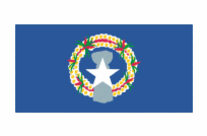
The Northern Mariana Islands is a small island chain in the South Pacific. It is one of five inhabited American territories. So, if you expand your business or begin a business in the Northern Mariana Islands; you will get the opportunity to potentially reach an American market, as well. If you desire to reach this market; you should register for a .MP domain extension today - this extension will gather a targeted audience of N. Mariana residents to your page and will help strengthen your brand.
Frequently asked questions about .mp
How do I buy a .mp domain?
To purchase your domain name, you must first search for the availability of the unique phrase (without spaces or with hyphens). If the domain name is available, you may then add it to the cart to register for up to 5 years. If the .mp country code domain is not available, then either modify your phrase, or inquire about purchasing the name outright through 101domain's Domain Concierge Service.
Other information I need to know about .mp?
Due to recent change in registry’s policy, any names that contain “tru.mp” are currently unavailable.
Technical information for .mp
- TLD .mp
- Type ccTLD
- Registration 52.49 USD / year
- Renewal 60.99 USD / year
- Transfer 52.49 USD / year | Transfer in your .mp
- Time to Register 2 Days
- Registration Period Available for 1, 3 and 5 year(s)
- Private Registration Not Available
- Trustee/Proxy Service No
- Individuals can register Yes
- Businesses can register Yes
- Registry Saipan Datacom
- Information updated 2026-10-15