
About .md
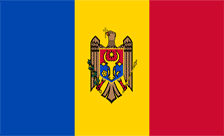
The .MD domain name is the Country Code domain for Moldova, but most notably recognized as the domain hack for doctor of medicine. Whether you are a doctor, psychiatrist, a medical school, or just someone who appreciates medical practices, a .MD domain name is for you! With a .MD domain name you will rank higher in search results for doctors and health care providers.
A .MD domain name is short, professional and memorable giving your brand an instant affiliation with the health care industry. Anyone who graduated from medical school is allowed to put MD after their name. Professionals with their MDs made a starting salary of $67,000 USD up to $208,000 USD in 2016.
Protecting your brand is as important as growing it. Registering your brand name in Moldova is one of the best preventative measures you can take to secure your trademark and combat copyright infringement. Your domain name is your brand and your brand is you! Register your perfect .MD domain name before someone else does.
.md is also associated with "Medical Doctor"
Take advantage of a short, two-letter extension! Because the .md domain operates without restrictions, it can be registered like a generic domain for "Medical Doctor". You can also check out our list of generic country domains for other options.
Frequently asked questions about .md
Technical information for .md
- TLD .md
- Type ccTLD
- Registration 183.99 USD / year
- Renewal 219.99 USD / year
- Transfer 183.99 USD / year | Transfer in your .md
- Time to Register 2 Days
- Registration Period Available for 1, 2 and 3 year(s)
- Private Registration Not Available
- Trustee/Proxy Service No
- Individuals can register Yes
- Businesses can register Yes
- Registry .MD ccTLD Registry
- Information updated 2026-04-17
Why manage your .md domain with 101domain?
101domain is an international domain registration service with the largest selection of global domain names across a variety of regions. A .md domain is just one of the many TLDs we can find, register, and manage for you and your business.