
About .bf
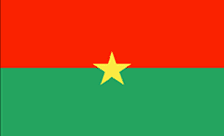
Although Burkina Faso is a relatively unknown nation, it is good for your business to register a country code with it to further your brand. .BF is the country code for this nation.
Frequently asked questions about .bf
How do I buy a .bf domain?
To purchase your domain name, you must first search for the availability of the unique phrase (without spaces or with hyphens). If the domain name is available, you may then add it to the cart to register for up to 1 year. If the .bf country code domain is not available, then either modify your phrase, or inquire about purchasing the name outright through 101domain's Domain Concierge Service.
Other information I need to know about .bf?
If your domain name is tied to a popular brand, the registry may return your application for registration and request a higher fee.
Are there any additional fees for .bf?
DNS update fee is $70.
Do I need a trademark/brand name to register .bf?
Yes
Technical information for .bf
- TLD .bf
- Type ccTLD
- Registration 329.99 USD / year
- Renewal 347.99 USD / year
- Transfer 329.99 USD / year | Transfer in your .bf
- Time to Register 1 Month
- Registration Period 1 year(s)
- Private Registration Not Available
- Trustee/Proxy Service No
- Individuals can register Yes
- Businesses can register Yes
- Registry ARCE
- Information updated 2026-09-18