
About .edu.mz
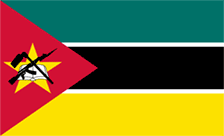
Mozambique is a large country in southeast Africa, located across the channel from Madagascar. Mozambique was colonized by Portugal early in the 16th century, and was under their control for over 4 centuries, gaining independence finally in 1975. Mozambique is rich in natural resources, and their number one export is aluminum. The .EDU.MZ domain extension is intended for use by educational institutions.
Frequently asked questions about .edu.mz
How do I buy a .edu.mz domain?
To purchase your domain name, you must first search for the availability of the unique phrase (without spaces or with hyphens). If the domain name is available, you may then add it to the cart to register for up to 10 years. If the .edu.mz country code domain is not available, then either modify your phrase, or inquire about purchasing the name outright through 101domain's Domain Concierge Service.
Are there requirements, documents, or information needed for .edu.mz?
Provide government issued document proving you are an educational institution in Mozambique.
Technical information for .edu.mz
- TLD .edu.mz
- Type ccTLD
- Registration 115.49 USD / year
- Renewal 149.99 USD / year
- Transfer 115.49 USD / year | Transfer in your .edu.mz
- Time to Register 2 Days
- Registration Period 1 - 10 years
- Private Registration Not Available
- Trustee/Proxy Service No
- Individuals can register No
- Businesses can register Yes
- Registry CIUEM
- Information updated 2026-05-29
Why manage your .edu.mz domain with 101domain?
101domain is an international domain registration service with the largest selection of global domain names across a variety of regions. A .edu.mz domain is just one of the many TLDs we can find, register, and manage for you and your business.