
About .cz
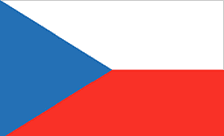
The .cz domain is the country code top-level domain (ccTLD) for the Czech Republic. Businesses, organizations, and individuals utilize the .cz domain to establish a strong online presence and connection with the Czech market.
The domain is managed by CZ.NIC, a non-profit organization responsible for the administration and technical operations. CZ.NIC establishes the rules and regulations for registering .cz domains. They also maintain the infrastructure that ensures the stability and reliability of websites under this domain.
There are some requirements for .cz domain registration. While individuals around the world generally don't need to provide specific documentation, organizations or businesses must submit a business registration number from any country. This registration number serves as proof of the organization's existence.
Why buy a .cz domain?
Here are the reasons why you need to consider buying a .cz domain:
- Target the Czech Audience. If your primary focus is connecting with Czech consumers, a .cz domain immediately signals a strong connection to the Czech Republic. This builds trust with potential customers, demonstrating your understanding and commitment to the local market. A .cz domain extension potentially improves your search engine visibility within the country as well.
- Showcase Cultural Connection. Whether you're a business expanding into the Czech market, an organization fostering international ties, or simply want to highlight your passion for Czech culture, a .cz domain is an excellent way to demonstrate your affiliation. It shows respect for the Czech Republic and your interest in connecting with its people.
- Stand Out Online. The .cz domain provides an opportunity to secure a short, memorable, and professional website address. This can make a big difference in standing out in a crowded online environment, especially when targeting the Czech market.
- Protect Your Brand. In an increasingly digital world, protecting your brand identity is critical. Registering your brand name with a .cz domain is a proactive step towards safeguarding your online presence in the Czech Republic and helps prevent intellectual property infringement.
Frequently asked questions about .cz
Technical information for .cz
- TLD .cz
- Type ccTLD
- Registration 46.99 USD / year
- Renewal 55.99 USD / year
- Transfer 46.99 USD / year | Transfer in your .cz
- Time to Register 2 Days
- Registration Period 1 - 10 years
- Private Registration Not Available
- Trustee/Proxy Service No
- Individuals can register Yes
- Businesses can register Yes
- Registry CZ NIC
- Information updated 2026-04-30
Why manage your .cz domain with 101domain?
101domain is an international domain registration service with the largest selection of global domain names across a variety of regions. A .cz domain is just one of the many TLDs we can find, register, and manage for you and your business.