
About .vi
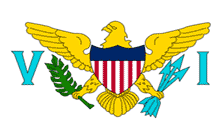
The .vi domain is an online passport for websites connected to the U.S. Virgin Islands. It is a country code top-level domain (ccTLD) that instantly tells visitors a website's origin. This is particularly useful for businesses and organizations in the Caribbean territory to establish a local online presence and build trust with potential customers.
Managed by the Virgin Islands Public Telecommunications System (VITelco), .vi domains ensure credibility by following regulations set by the U.S. Virgin Islands' internet authority. This fosters a secure online environment for both local residents and international visitors. Also, .vi domains empower local businesses and organizations to thrive online. They can create a distinct web presence, connect with a global audience, and promote the culture and tourism of the U.S. Virgin Islands.
Why choose a .vi domain?
For businesses and organizations with ties to the U.S. Virgin Islands, .vi domain name extension offers several advantages. The .vi domain instantly identifies your website's affiliation with the U.S. Virgin Islands. Visitors can immediately recognize your connection to the Caribbean and the unique offerings you may provide.
Beyond geographic benefits, .vi domains offer a distinct alternative to saturated extensions. This can enhance your website's memorability and help you stand out in a competitive online landscape.
A .vi domain also provides a platform to promote Virgin Islands culture, tourism, and entrepreneurship on a global scale. Businesses and organizations can effectively showcase the beauty, heritage, and offerings of the territory to a diverse audience. Whether it's a local enterprise expanding its reach or a cultural institution sharing the rich history and natural wonders of the territory, a .vi domain registration serves as a tool for amplifying the U.S. Virgin Islands' digital presence.
Frequently asked questions about .vi
Technical information for .vi
- TLD .vi
- Type ccTLD
- Registration 279.99 USD / year
- Renewal 304.99 USD / year
- Transfer 279.99 USD / year | Transfer in your .vi
- Time to Register Instant
- Additional Fees 249.00 USD
- Registration Period 1 - 10 years
- Private Registration Not Available
- Trustee/Proxy Service No
- Blocking Service Part of the GlobalBlock Service | Learn more
- Individuals can register Yes
- Businesses can register Yes
- Registry NIC.VI
- Information updated 2026-05-12
Why manage your .vi domain with 101domain?
101domain is an international domain registration service with the largest selection of global domain names across a variety of regions. A .vi domain is just one of the many TLDs we can find, register, and manage for you and your business.