
About .tel.ki
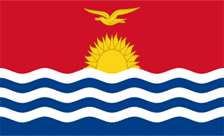
Kiribati is an independent island nation, comprised of a series of atolls and one coral island. Some of these islands are spaced quite far apart, with the whole country being distributed across almost 1.5 million square miles of ocean. Kiribati is one of the poorest countries of the world, receiving most of their income from foreign assistance. The .TEL.KI domain extension is intended to be used by telecommunications companies.
Frequently asked questions about .tel.ki
How do I buy a .tel.ki domain?
To purchase your domain name, you must first search for the availability of the unique phrase (without spaces or with hyphens). If the domain name is available, you may then add it to the cart to register for up to 4 years. If the .tel.ki country code domain is not available, then either modify your phrase, or inquire about purchasing the name outright through 101domain's Domain Concierge Service.
Other information I need to know about .tel.ki?
A ".ki" domain should not be used to publish any material deemed not suitable for children, so as to create a "safe harbor" or "greenspace" on the Internet for children that will restrict content relating to violence, pornography, tobacco, hate speech, illegal drugs and alcohol as defined by the laws of the Republic of Kiribati. You will be sent an email and must click on the link to confirm before domain will be activated for use.
Technical information for .tel.ki
- TLD .tel.ki
- Type ccTLD
- Registration 241.49 USD / year
- Renewal 286.99 USD / year
- Transfer 241.49 USD / year | Transfer in your .tel.ki
- Time to Register Instant
- Registration Period Available for 1, 2, 3 and 4 year(s)
- Private Registration Not Available
- Trustee/Proxy Service No
- Individuals can register Yes
- Businesses can register Yes
- Registry Communications Commission Kiribati
- Information updated 2024-08-19
Why manage your .tel.ki domain with 101domain?
101domain is an international domain registration service with the largest selection of global domain names across a variety of regions. A .tel.ki domain is just one of the many TLDs we can find, register, and manage for you and your business.