
About .rw
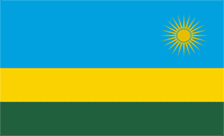
A .rw domain is the country code top-level domain (ccTLD) for Rwanda. The use of a .rw domain is ideal for entities looking to establish or emphasize their presence within Rwanda, as it helps localize their online identity to Rwandan consumers and businesses.
Rwanda is known as the "Land of a Thousand Hills," celebrated for its wildlife and natural beauty, especially its mountain gorillas. This country has a strong focus on digital innovation and development, making it a hub for tech startups and initiatives in Africa. Prominent figures like Paul Kagame, the president of Rwanda, have promoted Rwanda as a technology-friendly environment. The .rw domain aligns perfectly with this digital push, offering local businesses and tech ventures a domain that resonates with Rwanda's modern, innovative identity and can be used to promote tourism, local products, and tech developments to a global audience.
The .rw domains are managed by the Rwanda Internet Community and Technology Alliance (RICTA), which oversees the registration process and ensures that the domain is used appropriately to promote Rwandan businesses and initiatives. To register .rw domains, applicants must typically demonstrate a connection to Rwanda, although the specifics can vary depending on the subdomain (like .co.rw for commercial entities, .org.rw for organizations, etc.).
How can a .rw domain registration help me expand my business in Rwanda?
A .rw domain can be instrumental in expanding your business in Rwanda through several strategic advantages:
Community Engagement: A .rw domain helps your business engage more deeply with the Rwandan community by showing your support and commitment to the local economy. This can enhance your company's image as a community-focused entity, which is valuable in building goodwill and fostering strong local partnerships.
Competitive Advantage: By securing a .rw domain, you position your business advantageously against competitors who may not have a recognizable local online presence. This domain sets you apart in the digital landscape, highlighting your dedication to the Rwandan market, which can be a decisive factor for consumers comparing local and foreign businesses.
Facilitates Local Networking: Owning a .rw domain can open doors to networking opportunities with other Rwandan businesses and organizations. It can facilitate collaborations, joint ventures, and partnerships with local entities that prefer to work with businesses with a clear stake in Rwanda’s development.
Enhances Investor Appeal: Investors looking to fund projects within Rwanda are likely to be more interested in businesses that demonstrate a clear commitment to their Rwandan operations. A .rw domain serves as a signal of long-term investment and sustainability in the local market, which can attract both local and international investors.
Ease of Regulatory Compliance: Operating with a .rw domain might simplify dealing with Rwandan regulatory bodies since it shows that your business already aligns with local requirements. This can expedite various licensing and operational approvals needed to conduct business in Rwanda, reducing bureaucratic hurdles and fostering a smoother business operation.
Frequently asked questions about .rw
Technical information for .rw
- TLD .rw
- Type ccTLD
- Registration 367.49 USD / year
- Renewal 439.99 USD / year
- Transfer 367.49 USD / year | Transfer in your .rw
- Time to Register 2 Days
- Registration Period 1 year(s)
- Private Registration Available
- Trustee/Proxy Service No
- Blocking Service Part of the GlobalBlock Service | Learn more
- Individuals can register Yes
- Businesses can register Yes
- Registry RICTA
- Information updated 2024-10-29
Why manage your .rw domain with 101domain?
101domain is an international domain registration service with the largest selection of global domain names across a variety of regions. A .rw domain is just one of the many TLDs we can find, register, and manage for you and your business.