
About .ht
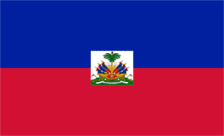
The .ht domain is the country code top-level domain (ccTLD) for Haiti. Using a .ht domain strongly associates a website with Haiti, which can be beneficial for companies looking to represent their Haitian identity or target the local market. This domain is particularly valuable for promoting services and products specific to Haiti or for cultural and tourist-related information, enhancing local engagement, and fostering a connection with the Haitian community.
Management of the .ht domains falls under Consortium FDS/RDDH. They implement policies that adhere to global internet governance standards while also considering local needs, which helps maintain the integrity and relevance of the .ht domain.
.ht domain registration is open to anyone, making it accessible to both Haitian residents and those abroad wishing to establish a connection with the country. The process is facilitated through accredited registrars who can guide applicants through the necessary steps, which typically include providing valid contact information and complying with any specific registration criteria set by the managing consortium. Once registered, the .ht domain can be used for a variety of purposes, from commercial ventures to personal blogs, each contributing to a richer online representation of Haitian life and culture.
Why should you buy .ht domains?
Buying a .ht domain is a great idea if you're connected to Haiti or want to reach its market. For businesses in Haiti, a .ht domain shows you're truly local, which builds trust and makes customers more likely to buy from you. This local connection can make your marketing efforts more effective, appealing directly to Haitian consumers. If you're involved in cultural, tourism, or charity work, using a .ht domain also shows your commitment to Haiti, which can help with education and outreach projects.
Additionally, for businesses looking to break into or expand within the Haitian market, a .ht domain can improve your visibility in search results for Haiti-related searches and make your website stand out with a unique and relevant web address. This distinct identity helps attract people interested in Haiti or looking for information about the country.
Frequently asked questions about .ht
Technical information for .ht
- TLD .ht
- Type ccTLD
- Registration 125.99 USD / year
- Renewal 164.99 USD / year
- Transfer 125.99 USD / year | Transfer in your .ht
- Time to Register 1 Day
- Registration Period Available for 1, 2, 3, 4 and 5 year(s)
- Private Registration Not Available
- Trustee/Proxy Service No
- Individuals can register Yes
- Businesses can register Yes
- Registry NIC HT
- Information updated 2026-04-17
Why manage your .ht domain with 101domain?
101domain is an international domain registration service with the largest selection of global domain names across a variety of regions. A .ht domain is just one of the many TLDs we can find, register, and manage for you and your business.