
About .com.ve
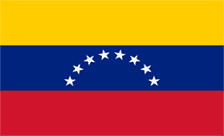
When searching online, Venezuelan internet users expect to see website addresses with .VE domain names. .COM.VE is a second level domain for Venezuela. .COM domain names are renowned worldwide and recognized across many languages and continents, making .COM.VE the natural choice for any Venezuelan individual or business creating an online presence. Whether you are an Venezuelan local, a small business owner, a petrochemical engineer, or an IT manager, a .COM.VE domain name is for you! With a .COM.VE domain name you will rank higher in local search results and in the hearts of the locals.
Show your connection to the Venezuelan culture and commitment to providing the best internet experience in Venezuela with .COM.VE domain. A .COM.VE domain name is short, professional and memorable helping your website stand out in a sea of content online. Venezuela's natural assets including petroleum oil and environment diversity are the country's best features. Venezuela is still highly dependent on their oil, but has seen a shift to the services sector in recent years.
Protecting your brand is as important as growing it. Registering your brand name in Venezuela is one of the best preventative measures you can take to secure your trademark and combat copyright infringement. Your domain name is your brand and your brand is you! Register your perfect .COM.VE domain name before someone else does.
Frequently asked questions about .com.ve
Technical information for .com.ve
- TLD .com.ve
- Type ccTLD
- Registration 105.99 USD / year
- Renewal 114.99 USD / year
- Transfer 105.99 USD / year | Transfer in your .com.ve
- Time to Register 3 Weeks
- Registration Period 1 year(s)
- Private Registration Not Available
- Trustee/Proxy Service No
- Individuals can register Yes
- Businesses can register Yes
- Registry Comisión Nacional de Telecomunicaciones (CONATEL)
- Information updated 2026-02-16
Why manage your .com.ve domain with 101domain?
101domain is an international domain registration service with the largest selection of global domain names across a variety of regions. A .com.ve domain is just one of the many TLDs we can find, register, and manage for you and your business.