
About .bt
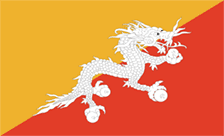
Bhutan is another small nation, yet, is surrounded by China, so, it is a great nation to be linked in with via the country code .BT.
Frequently asked questions about .bt
How do I buy a .bt domain?
To purchase your domain name, you must first search for the availability of the unique phrase (without spaces or with hyphens). If the domain name is available, you may then add it to the cart to register for up to 2 years. If the .bt country code domain is not available, then either modify your phrase, or inquire about purchasing the name outright through 101domain's Domain Concierge Service.
Are there requirements, documents, or information needed for .bt?
1) A copy of government-issued company business registration from any country matching domain name or proof of trademark matching domain name.
2) A signed authorization form and signed registration form (provided to you by our Support Team).
Technical information for .bt
- TLD .bt
- Type ccTLD
- Registration 224.99 USD / year
- Renewal 254.99 USD / year
- Transfer 224.99 USD / year | Transfer in your .bt
- Time to Register 6 Months
- Registration Period Available for 1 and 2 year(s)
- Private Registration Not Available
- Trustee/Proxy Service No
- Individuals can register No
- Businesses can register Yes
- Registry BT NIC
- Information updated 2026-01-19
Why manage your .bt domain with 101domain?
101domain is an international domain registration service with the largest selection of global domain names across a variety of regions. A .bt domain is just one of the many TLDs we can find, register, and manage for you and your business.